

When people talk about making sound business decisions, they’re often referring—directly or indirectly—to Understanding the Components of Financial Statements. This topic sits at the heart of accounting knowledge and connects seamlessly with broader discussions on financial literacy and reporting. If you’ve already explored the importance of continuous development in accounting, you’ll recognize that mastering financial statements is one of the most practical ways professionals sharpen their competence. This article focuses squarely on breaking down those components so you can interpret, analyze, and apply them with confidence.
Understanding the Components of Financial Statements: An Overview
Before diving into details, it’s essential to grasp what financial statements are and why they matter. Financial statements are structured reports that present the financial performance and position of a business. They are prepared in accordance with standards such as International Financial Reporting Standards to ensure consistency, comparability, and transparency.
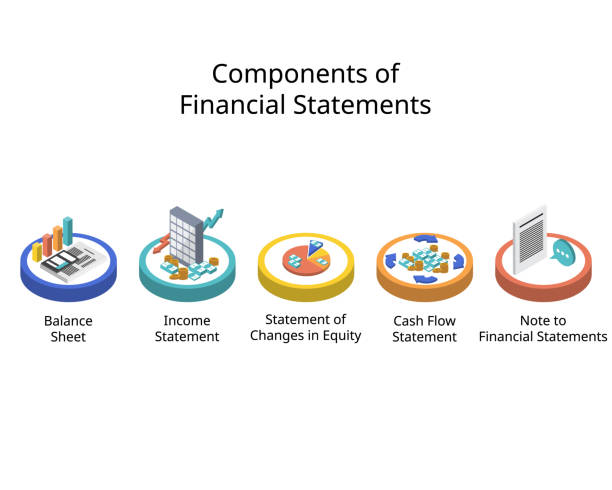
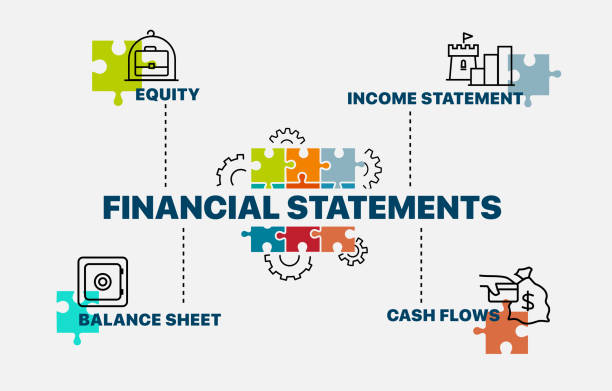
At their core, the Components of Financial Statements include:
- Statement of Financial Position (Balance Sheet)
- Statement of Profit or Loss (Income Statement)
- Statement of Cash Flows
- Statement of Changes in Equity
- Notes to the Financial Statements
Each component tells a different part of the financial story. Together, they provide a comprehensive view of how a business operates, earns, spends, and grows.
Key Components of Financial Statements and Their Functions

Let’s break things down further and examine how each element contributes to the bigger picture.
1. Statement of Financial Position (Balance Sheet)
The Statement of Financial Position—often called the Balance Sheet—shows what a company owns and owes at a specific point in time.
🔹 Key Elements:
- Assets: Resources controlled by the business (cash, inventory, equipment)
- Liabilities: Obligations owed to outsiders (loans, payables)
- Equity: Owners’ residual interest
The fundamental accounting equation applies here:
Assets = Liabilities + Equity
This statement helps users assess:
- Financial stability
- Liquidity position
- Capital structure
For instance, a company with high liabilities relative to assets may face solvency risks.
2. Statement of Profit or Loss (Income Statement)
This statement measures financial performance over a period—monthly, quarterly, or annually.
🔹 Key Elements:
- Revenue
- Cost of Sales
- Gross Profit
- Operating Expenses
- Net Profit or Loss
It answers a simple but critical question:
👉 Is the business making money?
A consistent profit trend signals growth, while recurring losses may indicate operational inefficiencies.
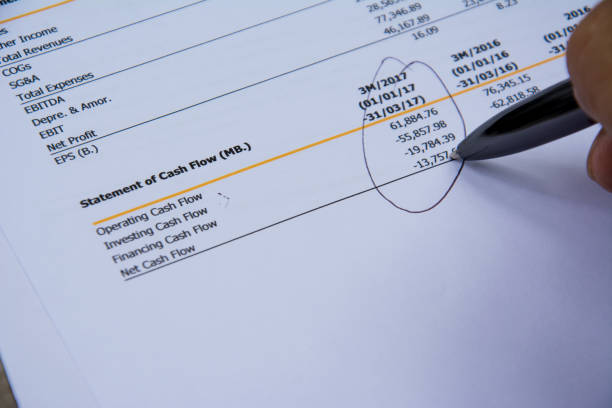
3. Statement of Cash Flows
Profit doesn’t always equal cash—and that’s where this statement becomes crucial.
It tracks cash movement across three activities:
- Operating Activities
- Investing Activities
- Financing Activities
🔹 Why it matters:
- Reveals actual cash position
- Highlights liquidity
- Helps in cash planning
A business can be profitable on paper but still struggle to pay its bills if cash flow is poor.
4. Statement of Changes in Equity

This statement explains how equity has changed over time.
🔹 Components include:
- Opening balance of equity
- Profit or loss for the period
- Dividends paid
- Additional capital introduced
It provides insight into:
- Retained earnings growth
- Shareholder value
- Business reinvestment strategies
5. Notes to the Financial Statements
Often overlooked, these notes provide detailed explanations supporting the main statements.
They include:
- Accounting policies
- Breakdown of figures
- Additional disclosures
Without the notes, financial statements would lack clarity and depth.
Why Understanding the Components of Financial Statements Matters
Now, let’s get practical. Why should anyone care about these components?
🔸 1. Better Decision-Making
Managers rely on financial statements to plan, control, and evaluate operations.
🔸 2. Investor Confidence
Investors assess profitability and risk before committing funds.
🔸 3. Regulatory Compliance
Organizations must comply with standards such as International Accounting Standards Board guidelines.
🔸 4. Performance Evaluation
Businesses track growth and identify weaknesses.
Components of Financial Statements in Real-World Practice
Let’s connect theory to practice.
Imagine a small business in Accra. Through platforms like Knowsia, many entrepreneurs are learning how to interpret financial data effectively.
- The Income Statement shows declining profits
- The Cash Flow Statement reveals cash shortages
- The Balance Sheet shows increasing liabilities
This combination signals a red flag—even if revenue appears strong.
That’s the power of understanding the Components of Financial Statements: it enables deeper insight beyond surface-level numbers.
Common Mistakes When Interpreting Financial Statements
Even experienced professionals sometimes get it wrong. Here are common pitfalls:
❌ Focusing on Profit Alone
Profit without cash flow is misleading.
❌ Ignoring Notes
Critical details are often hidden in disclosures.
❌ Misinterpreting Ratios
Ratios must be analyzed in context.
❌ Overlooking Trends
Single-period analysis doesn’t tell the full story.
How Technology is Changing Financial Reporting

Modern tools are transforming how financial statements are prepared and analyzed.
Software like QuickBooks and Sage automate processes, reduce errors, and improve efficiency.
🔹 Benefits:
- Real-time reporting
- Automated calculations
- Enhanced accuracy
For learners and professionals using platforms like knowsia, integrating technology with accounting knowledge is becoming essential.
Practical Tips for Mastering the Components of Financial Statements

Want to truly understand financial statements? Here’s how:
✔️ Start with the Basics
Understand each component individually.
✔️ Practice Regularly
Work through real-life examples and past questions (especially for Institute of Chartered Accountants Ghana exams).
✔️ Use Excel
Build financial models and automate reports.
✔️ Analyze Real Companies
Study published financial statements.
✔️ Ask Questions
Never accept figures at face value—dig deeper.
The Interrelationship Between Financial Statements

Here’s where things get interesting.
All Components of Financial Statements are interconnected:
- Net profit flows into retained earnings
- Cash flow adjusts profit for liquidity
- Balance sheet reflects accumulated results
Understanding this linkage is what separates beginners from professionals.
Final Thoughts
Understanding the Components of Financial Statements isn’t just an academic exercise—it’s a practical skill that drives real-world decisions. Whether you’re a student preparing for exams, a business owner managing finances, or a professional advancing your career, mastering these components gives you a clear edge.
Financial statements tell a story—but only to those who know how to read them.
And once you do, you won’t just see numbers—you’ll see insights, opportunities, and risks before anyone else does.