
In today’s rapidly changing workplace, essential skills every young professional needs have gone far beyond academic qualifications and technical expertise. Employers are increasingly looking for individuals who can communicate effectively, adapt to change, solve problems creatively, and work collaboratively in diverse environments. Whether you are a recent graduate, an aspiring entrepreneur, or a young accountant preparing for professional examinations through platforms such as KNOWSIA, developing the right skills can make the difference between an average career and an exceptional one.
The modern workplace is highly competitive. Degrees and certifications remain valuable, but they are no longer enough on their own. Young professionals who continuously invest in personal development and professional growth are better positioned to seize opportunities, overcome challenges, and build fulfilling careers.
Essential Skills Every Young Professional Needs: Communication Skills
Communication remains one of the most valuable skills in any profession. The ability to express ideas clearly, listen actively, and engage effectively with colleagues and clients can significantly influence career growth.
Communication skills include:
- Verbal communication
- Written communication
- Presentation skills
- Active listening
- Negotiation skills
According to the National Association of Colleges and Employers (NACE), communication consistently ranks among the top skills employers seek in graduates.
Young professionals should also learn how to communicate in virtual environments, especially as remote and hybrid work arrangements continue to grow.
For guidance on workplace communication, visit the official website of the National Association of Colleges and Employers (NACE).
Essential Skills Every Young Professional Needs: Adaptability and Flexibility

The business environment changes rapidly due to technology, economic conditions, and changing customer expectations. Adaptability enables young professionals to embrace change instead of resisting it.
Adaptable professionals:
- Learn new technologies quickly.
- Adjust to changing responsibilities.
- Handle uncertainty effectively.
- Remain productive under pressure.
Professionals in accounting, finance, and technology must continually update their skills to remain relevant. Continuous learning platforms such as KNOWSIA provide opportunities for professionals to develop new competencies and stay competitive.
Critical Thinking and Problem-Solving Skills

Every organization values employees who can identify problems and develop practical solutions.
Critical thinking involves:
- Analyzing information objectively.
- Evaluating alternatives.
- Making informed decisions.
- Anticipating potential challenges.
Employers appreciate professionals who can solve problems independently without requiring constant supervision.
Digital Literacy and Technology Skills

Technology has transformed nearly every industry. Young professionals must be comfortable using digital tools and platforms.
Essential digital skills include:
- Microsoft Office and Excel.
- Data analytics.
- Cloud computing.
- Artificial intelligence tools.
- Cybersecurity awareness.
- Online collaboration tools.
According to the World Economic Forum, technological literacy is among the fastest-growing workplace skills globally.
For young accountants, proficiency in accounting software and data analytics can significantly enhance employability.
Emotional Intelligence
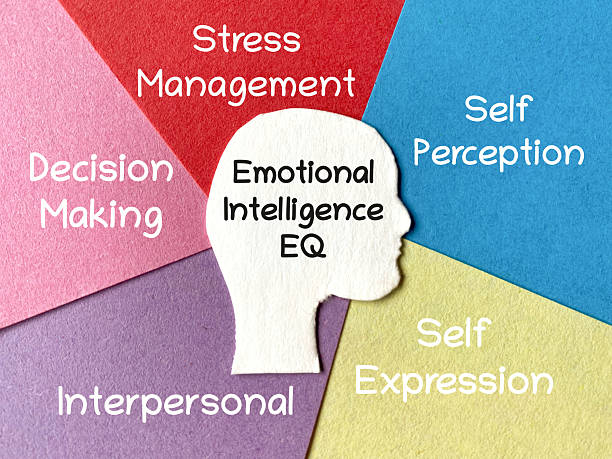
Emotional intelligence refers to the ability to understand and manage emotions effectively.
Key components include:
- Self-awareness
- Self-regulation
- Empathy
- Social skills
- Motivation
Professionals with high emotional intelligence tend to build stronger relationships, manage conflicts effectively, and perform better in leadership positions.
Leadership Skills
Leadership is not limited to managerial positions. Young professionals should develop leadership qualities early in their careers.
Leadership skills include:
- Decision-making
- Accountability
- Delegation
- Team motivation
- Conflict resolution
Developing leadership abilities increases opportunities for promotions and career advancement.
Time Management and Productivity
One of the biggest challenges facing young professionals is managing competing priorities.
Effective time management involves:
- Prioritizing tasks.
- Setting goals.
- Eliminating distractions.
- Meeting deadlines.
- Planning effectively.
Professionals who manage their time efficiently are often more productive and experience lower stress levels.
Teamwork and Collaboration
Modern organizations rely heavily on teamwork. Professionals rarely work in isolation.
Strong teamwork skills involve:
- Respecting diverse opinions.
- Sharing knowledge.
- Supporting colleagues.
- Contributing to team objectives.
The ability to collaborate effectively is particularly important in multidisciplinary workplaces.
Networking Skills
Many career opportunities arise through professional relationships rather than traditional job applications.
Networking can help young professionals:
- Find mentors.
- Learn about job opportunities.
- Gain industry knowledge.
- Build professional credibility.
Professional organizations such as the Institute of Chartered Accountants, Ghana (ICAG) provide valuable networking opportunities.
Financial Literacy
Regardless of profession, understanding money management is essential.
Financial literacy includes:
- Budgeting.
- Saving.
- Investing.
- Managing debt.
- Retirement planning.
Professionals who manage their finances effectively often experience less financial stress and enjoy greater career flexibility.
Continuous Learning and Growth Mindset
Industries evolve rapidly. Therefore, learning should never stop.
A growth mindset encourages professionals to:
- Embrace challenges.
- Learn from mistakes.
- Seek feedback.
- Pursue professional development.
Continuous learning enables professionals to remain competitive and adaptable.
Ethics and Professionalism

Professional success depends heavily on trust and integrity.
Ethical professionals:
- Demonstrate honesty.
- Respect confidentiality.
- Fulfill responsibilities.
- Maintain professional standards.
In fields such as accounting and finance, ethical conduct is essential for long-term success.
Related Reading: Building a Successful Career as a Young Professional
Career success rarely happens by accident. It requires planning, persistence, and intentional development. Learning how to set career goals, build a personal brand, and navigate workplace challenges can help young professionals establish a solid foundation for long-term success.
Read more: Building a Successful Career as a Young Professional.
Preparing for the Future Workplace
The future of work will demand even greater adaptability and technological competence. Young professionals who invest in communication, leadership, digital literacy, and emotional intelligence will remain valuable in an increasingly automated world.
Organizations continue to seek individuals who can combine technical knowledge with human-centered skills. Therefore, the journey toward professional excellence should include both academic qualifications and personal development.
Conclusion
The essential skills every young professional needs extend far beyond technical expertise. Communication, adaptability, problem-solving, emotional intelligence, leadership, and continuous learning have become indispensable for career success.
Young professionals who intentionally develop these competencies position themselves for long-term growth and greater opportunities. Whether pursuing a career in accounting, technology, business, or entrepreneurship, investing in these skills today can create a strong foundation for tomorrow’s success.
Professional development is not a destination but a continuous process. The earlier young professionals commit to acquiring these essential skills, the greater their chances of building meaningful, impactful, and rewarding careers.